



Solar Geyser or Heat Pump for a Cape Town Home?
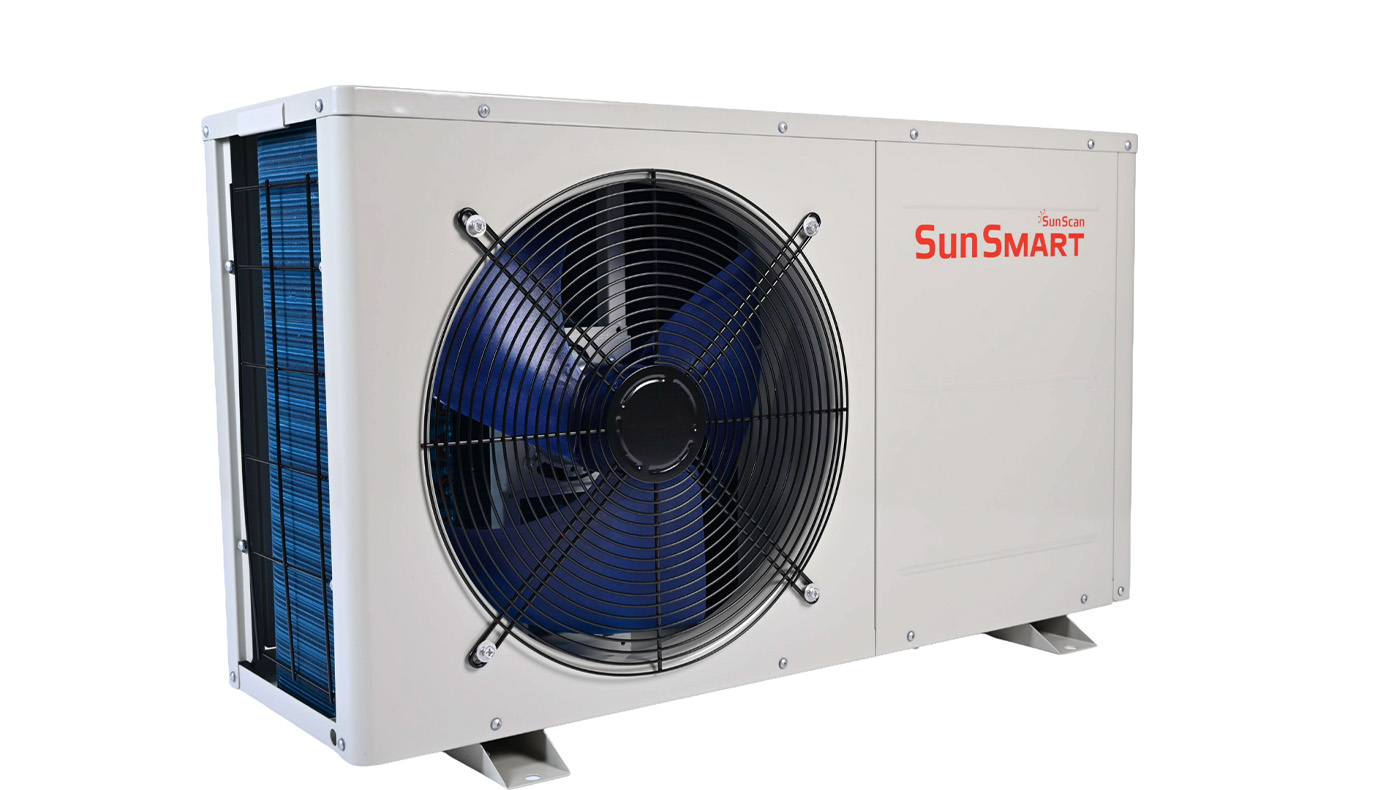
Water heating takes 30 to 50% of a South African household’s electricity bill, by Eskom’s own estimate, and the geyser is usually the single biggest item on it. That’s the number a solar geyser and a heat pump both go after, and both do it well, cutting that portion of the bill by more than half in a typical home. Which one suits your house is a different question, and it’s the one we spend most of our week answering, so this is the walk-through we’d give you at your own front door.
When a Solar Geyser Is the Right Call
The whole system depends on direct sunlight, so the first thing to check is your roof:
- An unshaded, north-facing roof: collectors want direct sun through the middle of the day. Get that right and the tank has done most of its heating before lunch.
- A long lifespan: a well-maintained system runs 15 to 20 years, and the simplest versions have almost no moving parts to service.
- An electric backup for winter: systems carry a backup element for overcast weeks, so you still have hot water after days of rain.
- A geyser too young to replace: a conversion keeps your existing tank and adds the collector, which costs less than a full new system.
When a Heat Pump Wins
A heat pump works like a fridge in reverse, pulling warmth out of the outside air, and it delivers three to four units of heat for every unit of electricity it draws:
- No roof required: it sits at ground level beside the geyser, which settles the question for shaded houses, flats and estates with rules about what goes on the roof.
- Cloudy weather has little effect: it runs on air temperature, so it loses a little efficiency in a cold week and keeps working.
- A straightforward retrofit: it connects to the electric geyser already in your ceiling, and the tank stays where it is.
What They Cost in 2026
Current market pricing in Cape Town runs like this, installed:
- A solar geyser: R22,500 to R39,500 depending on tank size and system type, with conversions of an existing geyser coming in lower.
- A heat pump: R25,000 to R45,000 depending on capacity.
Both routes typically pay for themselves in three to five years through the electricity they stop using, and both keep working for a decade or more after that. Exact pricing depends on your tank size, your roof and how much hot water your household uses, so a final figure needs a quote.
The Bill Only Moves in One Direction
Eskom’s tariff rose 13.67% in April 2026, and every month of heating water on a plain electric element is another month at full price. SunScan supplies SABS-tested solar geysers and heat pumps with warranties of up to 5 years, fitted through our network of accredited installers across Cape Town and the Western Cape, and in most homes the roof settles the choice.


